• NHL Power Rankings and Betting Implications: Who’s Hot and Who’s Not

    Specific characteristics of the NHL

    The National Hockey League (NHL) is one of the most exciting and unique pro sports leagues in the world. It combines speed, skill, and physicality in a way that few other sports can match. If you bet on NHL, please visit and analyse this things:

    • Pace & intensity: Hockey moves fast — decisions are made in fractions of a second, and momentum can swing wildly with one power play or turnover.
    • Playoff atmosphere: The Stanley Cup Playoffs are arguably the most intense postseason in any major sport. Overtime playoff hockey, especially in sudden death, is pure drama.
    • Parity: Unlike leagues dominated by a few teams, the NHL has a lot of balance. Lower-seeded teams often upset favourites — it’s unpredictable, which makes it fun to follow (and tricky to bet on).
    • Goaltenders: A hot goalie can completely change a team’s fate. One standout performance can carry a team deep into the playoffs.
    • Growing skill level: Players today are faster, more skilled, and more creative than ever — especially with young stars like Connor McDavid, Cale Makar, and Auston Matthews redefining what’s possible on ice.

    NHL Power Rankings and Betting Implications

    Top Teams & Trends

    According to recent rankings from ESPN, here are a few of the standout clubs:

    • The Colorado Avalanche are ranked No. 1, with a points pace well ahead of their preseason projection.
    • Montreal Canadiens are surprising many as a top-3 team, outperforming expectations.
    • Winnipeg Jets also rank highly, showing that last season’s successes may carry through.
    • More broadly, several sources list the favorites for the Cup (or top tier) as: Vegas Golden Knights, Dallas Stars, Carolina Hurricanes, the Avalanche, and the Edmonton Oilers.

    Betting Implications & Key Angles

    When you use power ranking insight for betting (whether futures, lines, or specials), several themes emerge:

    1. Futures & Over/Unders

    • A team ranked well above its preseason expectations may represent value for “over” on total points, or falling undervalued in future markets. For example, the Avalanche are ahead of their projected total.
    • Conversely, teams ranked lower than expected might offer value on “under” bets or could be mis-priced in futures.

    2. Matchup/Line Betting Considerations

    • Home ice advantage: The home team has a meaningful edge (last line change, crowd, travel fatigue for visitors).
    • Scheduling/travel fatigue: Teams on back-to-back games, long road trips, or after a heavy recent slate tend to be vulnerable.
    • Power play / penalty kill differentials: If a high-ranked team has a strong PP and is facing a weak PK team, that creates an exploitable edge.

    3. Value Betting & Market Overreaction

    • Power rankings help identify when the market is overrating or underrating a team. For example: if a team is rank-1 but the public still treats them as mid-tier, value might exist.
    • Beware of “momentum” bias: bettors often chase recent hot streaks, but data shows this may not always lead to profitable outcomes.

    4. Futures Awards/Player Props

    • A team highly ranked often has players in “award conversations” (Hart, Norris, etc). These props may be more accurately priced in context of team strength and projections. For example, one article flagged a long-shot value for a player when favourites were taking majority odds.

    NHL – Who’s Hot and Who’s Not

    HOT:

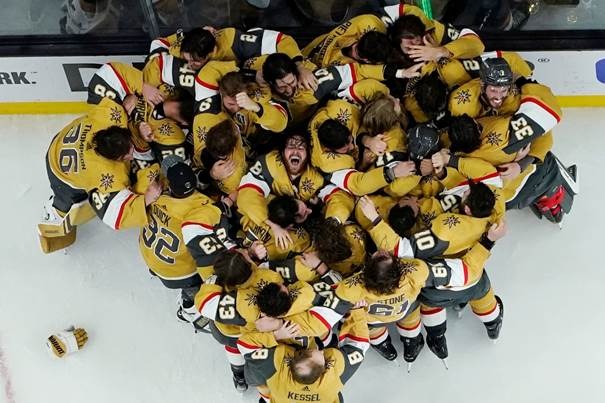
    Vegas Golden Knights

    • They started the 2025-26 season 5-0-2 and are ranked No. 1 in the Super 16 power ranking.
    • Despite some injuries on defence and in net, they are allowing fewer than 3 goals per game and have a very strong goal differential.
    • Betting Implication: This kind of hot start suggests high confidence in them — they may be over-valued in futures or lines. If betting, consider value via alternate markets (e.g., first round exit) or “backing off” them slightly if public money flushes in.

    Carolina Hurricanes

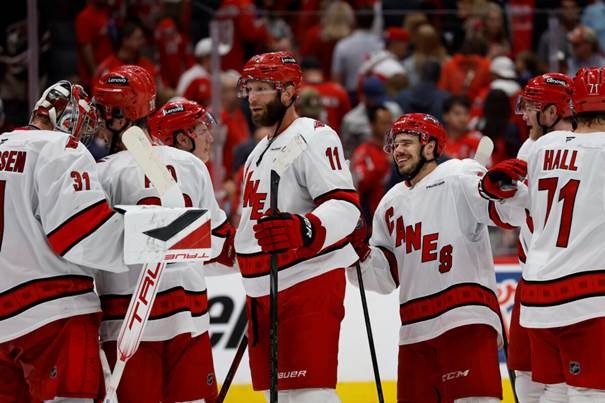
    • They’ve come out strong, led by emerging star Seth Jarvis who scored four game-winners in his team’s first five games.
    • Their roster balance and depth are showing up early.
    • Betting Implication: They may be under-the-radar relative to bigger market teams. Could be valued in futures or game-lines when they’re undervalued. But keep an eye on sustainability — sometimes early hot streaks regress.

    NOT SO HOT:

    St. Louis Blues

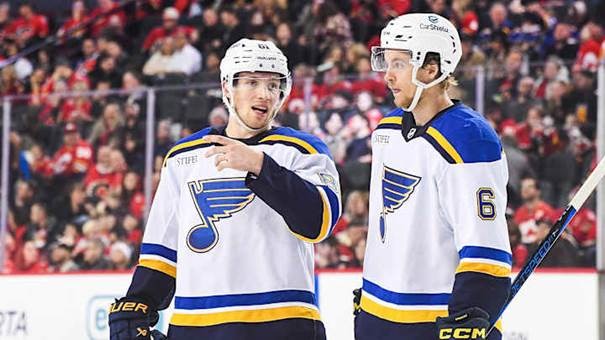
    • Since Jan 1, they went 7-9-1 (.441 points percentage) and are slipping out of playoff contention.
    • Their penalty-kill has been especially weak, which is a major structural weakness.
    • Betting Implication: Things like over/unders might favour games involving them (consider the “under” if they’re on a slide and vulnerable). Futures for them to make deep runs look long.

    Montreal Canadiens

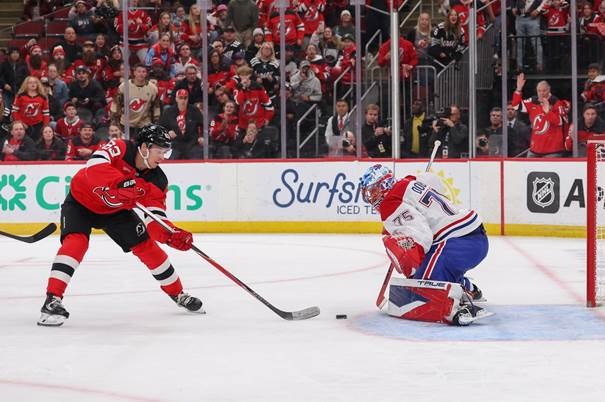
    • They surprised many by clinching a playoff berth, but their advanced metrics aren’t strong: the last 25 games xG% (expected goals %) was ~46.35%.
    • They may be punching above their true value and could regress.
    • Betting Implication: Be wary of chasing them in futures or large props — their “hot” story may have less underlying support. In game lines, they may be overvalued.

    Player Spotlight (Hot + Not)

    • Hot: Seth Jarvis (Hurricanes) — clutch game-winners early in season.
    • Not: Jack Roslovic (Hurricanes) — had a strong early stretch with his old team, but since joining Carolina he’s only 2 goals and 1 assist in 18 games.
    • Hot: David Pastrnak (Bruins) — after a slow start, he posted 15 goals and 31 points in 18 games since Jan 1.
    • Not: Filip Gustavsson (Wild) — after a strong start, his GAA and save percentage have dropped significantly in 2025.

    Summary & Betting Tips

    • “Hot” teams with strong metrics and solid starts often look like safe bets but by the time this shows up in the market, value may be thin.
    • “Not” teams can provide value if you identify structural improvements or a rebound potential — but if the metrics also support the slump, avoid.
    • For game-bets:
      • Check recent trends (last 5-10 games) for teams/players.
      • Look at underlying metrics (xG, penalty kill %, save %, etc) not just win/loss.
      • Beware of fatigue, travel, injuries — a “hot” team could be vulnerable in the right spot.

    We have a list of Best Offshore Sportsbooks!

    0
    0
  • Top 10 NFL Betting Tips to Maximize Your Winnings

    Guide with Top 10 NFL Betting Tips

    Betting tips are advice, strategies, or recommendations designed to help someone make more informed decisions when placing bets. They aim to increase the chances of winning, reduce risk, or find value in betting markets. Check the best NFL Offshore Sportsbooks offers now.

    Do Your Homework: Analyze Stats & Trends

    • Key stats: Points per game, yards per play, turnover margin, third-down efficiency.
    • Trends: Home vs. away performance, injury impact, and past head-to-head matchups.
    • Tip: Don’t just look at wins and losses; deep-dive into situational stats.

    2. Understand the Betting Markets

    • Common bets: Moneyline, point spread, totals (over/under).
    • Specialty bets: Player props, futures, parlays, teasers.
    • Tip: Stick to markets you understand best. Complexity can increase risk.

    3. Shop for the Best Odds

    • Why: Odds vary across sportsbooks.
    • Example: One sportsbook might have -3.5 spread, another -4.5 for the same game. That half-point can affect your winnings.
    • Tip: Open accounts with multiple sportsbooks to get the best lines.

    4. Bankroll Management

    • Rule: Never bet more than 1–5% of your total bankroll on a single game.
    • Purpose: Protects you from losing streaks and ensures longevity in betting.
    • Tip: Treat betting like investing—small, consistent wagers beat risky “all-in” bets.

    5. Focus on Value, Not Favorites

    • Value: When the odds underestimate a team’s chances.
    • Example: A 7-point underdog might realistically have a 50% chance to cover the spread but the payout suggests only 40%.
    • Tip: Don’t blindly bet on favorites; search for undervalued teams.

    6. Consider Situational Factors

    • Factors:
      • Short weeks (e.g., Thursday Night Football fatigue)
      • Travel and time zones
      • Weather conditions (rain, wind, snow can affect scoring)
    • Tip: A good team can struggle under adverse conditions—use this to your advantage.

    7. Exploit Line Movement

    • Concept: Public betting can shift lines. Sharp bettors often wait for early lines before moving.
    • Example: If a team is heavily bet on by the public, the line may move in the opposite direction, creating value.
    • Tip: Track line movement carefully; sometimes the best bets are against the public trend.

    8. Specialize in Certain Teams or Divisions

    • Reason: Knowledge gives you an edge.
    • Example: Knowing a division’s history can help you predict divisional games better than general odds.
    • Tip: Focus on a few teams or divisions instead of betting on every game.

    9. Avoid Emotional Betting

    • Trap: Betting on your favorite team or coach.
    • Reality: Personal bias often clouds judgment.
    • Tip: Bet objectively using data, not loyalty or gut feelings.

    10. Track Your Bets and Learn

    • Tool: Spreadsheet or betting tracker app.
    • What to track: Bet type, odds, stake, result, and ROI.
    • Benefit: Helps identify profitable strategies and avoid repeating mistakes.
    • Tip: Consistency and learning from past bets are key to long-term success.

    NFL Betting Cheat Sheet

    1. Bet Types & When to Use Them

    Bet TypeWhen to UseKey Tips
    MoneylineWhen confident in outright winnerAvoid heavy favorites unless value exists
    Point SpreadMost common; evens out mismatchesFocus on undervalued underdogs
    Totals (Over/Under)When team scoring trends are predictableFactor in weather, injuries, and pace
    Prop BetsPlayer or team-specific outcomesOnly if you have deep stats or insider knowledge
    Parlays/TeasersHigher payouts but riskierUse sparingly; usually small % of bankroll

    2. Underdog Strategy

    • Bet on home underdogs: Historically perform better than away underdogs.
    • Late-season divisional games: Underdogs often cover spreads due to rivalry intensity.
    • Tip: Look for 3–7 point underdogs that match up well statistically.

    3. Favorite Strategy

    • Avoid heavy public favorites (-7 or more) unless odds are generous.
    • Lean on favorites only:
      • Strong home teams vs. weak away teams
      • Teams with healthy starting QBs
    • Tip: If you bet on favorites, look for “line shopping” for the smallest spread.

    4. Totals (Over/Under) Strategy

    • Over trends: Teams with fast pace, high scoring offenses.
    • Under trends: Strong defenses, bad weather, or backup QBs.
    • Tip: Weather and field conditions can swing totals more than the spread.

    5. Situational Factors

    • Short rest (Thursday games) → Usually favors the opponent with extra rest.
    • Travel fatigue → West Coast teams playing East Coast night games struggle.
    • Injuries → QB and RB injuries have the biggest impact.
    • Coaching changes → Often temporary performance dips.

    6. Betting Timing

    • Early line: Get value before public reaction shifts spreads.
    • Late line: Exploit overreactions or line drops from injuries/news.
    • Live betting: Good for in-game value, but only if you can react quickly.

    7. Bankroll & Bet Sizing

    • 1–5% of bankroll per bet
    • Never chase losses
    • Avoid “all-in” parlays unless very small stakes

    8. Quick Stats to Check Before Every Bet

    1. Team Offense vs. Opponent Defense (yards & points allowed)
    2. Turnover Margin
    3. Third-Down Conversion Rates
    4. Red Zone Efficiency
    5. Injury Reports
    6. Recent Form (last 3–5 games)

    9. Red Flags (When to Skip Betting)

    • Key injuries on both sides
    • Extreme weather (snowstorms, hurricane risk)
    • Late-breaking QB changes
    • Overly publicized hype or media bias

    10. Long-Term Profit Tips

    • Focus on undervalued teams and spreads
    • Track your results to see what strategies work
    • Avoid emotional bets
    • Learn to identify line movements for potential value

    💡 Pro Tip: One of the most profitable long-term strategies is betting home underdogs with favorable matchups and totals on games with clear weather patterns. Combining these two can dramatically increase ROI without chasing high-risk favorites.

    Successful NFL betting

    Successful NFL betting isn’t about luck—it’s about research, strategy, and discipline. By analyzing stats, monitoring injuries, understanding betting markets, and managing your bankroll, you can make smarter wagers and find value in underdogs or totals. Avoid emotional bets, track your results, and focus on consistency rather than chasing huge wins.

    Key Takeaways:

    • Bet objectively, not based on fandom.
    • Look for value, not just favorites.
    • Use situational factors like home-field advantage, injuries, and weather.
    • Always manage your bankroll and track your bets for long-term growth.

    With patience, preparation, and strategic betting, you can maximize your chances of consistent NFL betting success. Visit the best NFL betting sites!

    0
    0
  • The New York derby! – Knicks vs Nets scores & predictions – Nov 9, 2025

    The New York derby

    The New York Knicks vs Brooklyn Nets rivalry — often called the “New York Derby” or “Battle of the Boroughs” — is one of the NBA’s most colorful local rivalries. It mixes basketball competition with deep city pride and borough identity.

    🗽 1. Origins of the Rivalry

    • The rivalry began when the New Jersey Nets moved to Brooklyn in 2012, becoming the Brooklyn Nets.
    • Before that, the Knicks had been New York City’s only NBA team since 1946.
    • The Nets’ arrival in Brooklyn turned things into an intra-city showdown — Manhattan (Knicks) vs. Brooklyn (Nets).

    ⚔️ 2. Borough Pride

    • Knicks: Represent Manhattan — the traditional, historic New York basketball brand. Madison Square Garden is often called the “Mecca of Basketball.”
    • Nets: Represent Brooklyn — younger, edgier, and aiming to capture the borough’s identity and culture.
    • Fans see it as a clash of old New York vs. new New York.

    🏀 3. Head-to-Head History

    • All-time series (as of 2025): Knicks lead overall, though the Nets had a strong run during the Kevin Durant / Kyrie Irving era (2019–2023).
    • Recent trend: Knicks have regained control in recent seasons as the Nets entered a rebuild.
    • Notable eras:
      • 2012–2016: Early Brooklyn years — competitive and fiery.
      • 2019–2023: Star-power era for the Nets; rivalry heated again.
      • 2024–2025: Knicks dominant; Nets focusing on young talent.

    💥 4. Memorable Moments

    • 2012: First Nets-Knicks game in Brooklyn — overtime thriller; Nets win 96–89.
    • 2013: “Who runs New York?” debates exploded in the media.
    • 2021–2023: Durant and Irving vs. Julius Randle and Jalen Brunson brought star power.
    • April 2025: Knicks rallied from 17 down to beat the Nets 113–105, symbolizing a power shift back to Manhattan.

    🌆 5. Culture & Fan Base

    • Knicks fans are more traditional and nationwide — one of the NBA’s largest and most loyal fan bases.
    • Nets fans tend to be younger, Brooklyn-based, and more casual — though the team has grown a strong community following in Kings County.
    • The rivalry is as much about New York identity as it is about basketball.

    📈 6. 2025 Outlook

    • Knicks: Aiming for playoff contention with Jalen Brunson, Julius Randle, and OG Anunoby.
    • Nets: Rebuilding around Cam Thomas, Nic Claxton, and Mikal Bridges.
    • The rivalry remains more emotional than competitive — but every matchup still draws huge crowds and city-wide media buzz.

    Injury & matchup notes, advanced stats

    🩺 Injury / Availability Notes

    • For the Knicks: Josh Hart is dealing with a nerve injury in his right hand (affecting fingers on his shooting hand) and is playing through it.
    • Also for the Knicks: Mitchell Robinson has been under load-management after surgery for his ankle; uncertain how his minutes will be managed.
    • For the Nets: The team is still showing weak defensive stats and has been injury-plagued historically.

    Implication: The Knicks appear to have some health/wrap-up issues but are comparatively in a stronger spot. The Nets’ injury depth and defensive fragility may be a big factor.


    📊 Advanced Stats & Matchup Insights

    From the preview:

    • The Nets’ pace is low (~98.1 possessions per game) and their effective field goal and true shooting percentages are both sub-par.
    • The Knicks at home are performing better; the Nets are winless on the road this season so far.
    • Key players: For Brooklyn, Cam Thomas is averaging ~24.4 points per game. For New York, Jalen Brunson is around ~29-31 points with ~5 assists in the matchup preview.

    Implication: The Nets may struggle to keep up offensively and defensively, and the Knicks’ guard/wing strength gives them a clear edge.


    🎯 Player Prop / Betting Angles

    Here are a few prop-ideas based on the trends:

    • Jalen Brunson over his usual points line: With the Nets’ defensive issues and Brunson being the primary play-maker, backing him to hit a high scoring number makes sense.
    • Cam Thomas under (or close to) his usual: If the Nets fall behind, Thomas may face heavier defense and fewer efficient looks.
    • Total game points: Given the Nets’ weak defense but also their slower pace, a moderate total (not ultra-high) may be more realistic than a run-and-gun blowout.
    • Margin of victory: The Knicks appear likely to win by a moderate margin given home advantage, healthier roster, better stats.
    • Check the best NBA sportsbooks and their odds here.

    ✅ What’s working for the Knicks

    • The Knicks come in with better momentum: they’re 4-3 while the Nets are still winless at 0-6.
    • At home, the Knicks have been solid: being at Madison Square Garden gives them an edge in this rivalry.
    • Defensively, the Nets are really struggling this season and the Knicks should be able to exploit that. For example: Brooklyn’s effective field goal % and other metrics are weak in the preview.

    ⚠️ What could complicate things

    • Rivalry games often bring extra energy from the underdog (in this case the Nets) — they’ll want to make a statement, especially given the history between the teams.
    • If the Knicks don’t start strong, the Nets might sneak in and make it close — momentum in rivalry games can swing quickly.
    • Injuries, rotation changes or fatigue could tilt things unexpectedly (common in early-season games).

    🎯 Prediction

    • Likely winner: Knicks. Given the recent trends, home‐court advantage, plus the Nets’ rough start, the Knicks look more likely to take this.
    • Estimated margin / score: Knicks by ~8 – 12 points. Something like Knicks 110, Nets 100 is reasonable.
    • Key player to watch: For the Knicks: Jalen Brunson (he’s been delivering). For the Nets: Cam Thomas needs to step up if Brooklyn wants a chance.

    The New York derby – summary

     The lights of Madison Square Garden will burn a little brighter Monday night as the New York Knicks and Brooklyn Nets clash in another chapter of the Battle of the Boroughs. The Knicks, riding early-season momentum behind Jalen Brunson’s steady leadership and Julius Randle’s inside presence, look to reaffirm their dominance in the city rivalry. Across the river, the rebuilding Nets are searching for an identity and a statement win — something to jolt a 0-6 road start and reignite pride in Brooklyn basketball.

    The game promises intensity more than parity: Brunson vs. Cam Thomas headlines a duel of contrasting styles — precision and poise against youthful firepower. Expect MSG to echo with chants of “Let’s go Knicks!” as the home side leans on its defensive grit and balanced scoring to keep the Nets chasing. Another Manhattan night reminding everyone that, for now, the city still belongs to the blue and orange.

    0
    0
  • NFL Live Betting: How to Make the Most of In-Play Odds

    🏈 What Is NFL Live Betting?

    NFL Live betting (or in-play betting) lets you place wagers after a game has started — with odds that constantly shift in response to the on-field action. For example, a team that was a pregame favorite might become an underdog after a slow first quarter, offering new opportunities for bettors who can read the game flow correctly.


    ⚙️ How Live Odds Work

    Sportsbooks use algorithms that adjust odds based on:

    • Score differential
    • Time remaining
    • Possession
    • Field position
    • Player injuries or ejections
    • Momentum and pace of play

    Because the odds update in real time, bettors must react quickly — often within seconds — to capture favorable prices before they move.


    🎯 Strategies for Making the Most of Live NFL Odds

    1. Pre-Game Preparation

    Before the game starts:

    • Know each team’s tendencies (e.g., how they perform when trailing or leading).
    • Study injury reports, weather, and matchups.
    • Have a plan: identify what situations you’ll look to bet (e.g., taking an over when both teams have quick offenses but start slow).

    2. Look for Overreactions

    Sportsbooks often overadjust after big plays — a pick-six or fumble return might shift odds dramatically. If you believe it’s an outlier, that’s your value window.

    💡 Example: A team down 10 early because of a turnover may still be the better side. If they’re now +150 live, that could be valuable.

    3. Target Momentum Swings

    Momentum matters in football, but markets can lag in catching up to a shift — especially if a defense starts to dominate or an offense finds rhythm.

    4. Use Live Totals Strategically

    If both defenses start strong, watch for fatigue in the second half. Unders often become more favorable early, while overs can hold value later when adjustments kick in.

    5. Watch the Game — Don’t Just Follow Stats

    Streaming or watching in real time gives you a crucial edge over bettors relying solely on sportsbook data. You’ll spot trends (like offensive line breakdowns or weather worsening) before they’re priced in.

    6. Bet Quarter or Drive Props

    Many sportsbooks now offer drive result props (“next drive ends in a touchdown”) or next quarter totals. These can offer sharper value since they’re less influenced by pregame lines.

    7. Leverage Hedging Opportunities

    Live betting allows you to hedge pregame positions:

    • If you bet a team -3 pregame and they lead by 10 at half, you could take the other side +7.5 live to lock in profit or reduce risk.

    8. Bankroll and Timing Discipline

    • Don’t chase every swing; wait for your edge.
    • Avoid emotional bets when your pregame side struggles early.
    • Use unit sizing consistent with your bankroll strategy.

    📊 Advanced Tools and Tips

    • Use multiple sportsbooks: Live odds differ — line shopping is even more critical in real time.
    • Track possessions and play calling: Note tendencies (e.g., teams that run the ball when ahead may slow the game).
    • Latency matters: A stream delay of even 10 seconds can be costly; use the fastest data feed possible.

    🧩 Example Scenario

    Pregame line: Chiefs -7 vs. Broncos
    First Quarter: Broncos lead 10–0 after a fluke turnover.
    Live line: Chiefs +2.5, Moneyline +120

    If you believe the Chiefs’ offense is simply stalling temporarily — and Mahomes’ efficiency usually improves after halftime — that +120 offers solid value compared to the original line.


    🚫 Common Mistakes

    • Betting based on emotion (“They have to come back!”)
    • Ignoring game context (weather, injuries, etc.)
    • Overbetting small edges due to excitement of fast-changing odds

    ✅ Key Takeaways

    • Enter with a clear game plan and knowledge of each team’s tendencies.
    • React calmly and exploit market overreactions.
    • Watch the game closely to spot value before the odds move.
    • Use live odds to hedge or reinforce profitable pregame positions.

    🏈 Sample Live Betting Worksheet: Chiefs vs. Bills

    📋 Pregame Setup

    CategoryDetails
    MatchupKansas City Chiefs @ Buffalo Bills
    Pregame SpreadChiefs -3
    Pregame MoneylineChiefs -160 / Bills +140
    Pregame Total48.5
    Game NotesBoth QBs strong; light wind; Chiefs’ defense banged up

    Your pregame plan:

    • Chiefs tend to start slow but dominate second halves.
    • Bills offense inconsistent under pressure.
    • Look to bet Chiefs live if they fall behind early and the odds improve.

    🕒 Live Simulation — Quarter by Quarter

    1st Quarter

    EventScoreLive SpreadLive MLNotesBetting Action
    Bills TD on 1st driveBUF 7–0Chiefs +2.5Chiefs +120One long busted coverage play. Chiefs moving ball fine.Bet Chiefs ML +120 (value: market overreacts to one play)
    End of 1QBUF 10–7Chiefs +1Chiefs -105Chiefs offense in rhythm; defense adjusting.

    2nd Quarter

    EventScoreLive SpreadLive MLNotesBetting Action
    Chiefs TDKC 14–10Chiefs -3.5Chiefs -180Game script back to normal
    Bills miss FGKC 14–10Chiefs -5.5Chiefs -230Bills showing pressure cracks
    HalftimeKC 14–13Chiefs -2.5Chiefs -150Bills still hanging in

    Your position:
    ✅ Chiefs ML +120 from 1Q.
    You can now hedge if desired:

    • Take Bills +2.5 (EVEN) to protect profit.
    • Or let it ride if you believe Chiefs take control.

    3rd Quarter

    EventScoreLive SpreadLive MLNotesBetting Action
    Bills TDBUF 20–14Chiefs +3Chiefs +130Bills capitalized on short field
    Chiefs quick TD driveKC 21–20Chiefs -2Chiefs -150Mahomes in rhythm again
    End of 3QKC 21–20Chiefs -3Chiefs -160Tight, evenly matched

    4th Quarter

    EventScoreLive SpreadLive MLNotesBetting Action
    Chiefs TD + FGKC 31–20Chiefs -7.5Chiefs -400Control established❌ Don’t chase now; value gone
    FinalKC 31–27Chiefs cover live ML easilyProfit locked from 1Q bet

    💰 Final Result

    BetOddsStakeOutcomeProfit
    Chiefs ML (Live 1Q)+120$100Won+$120

    Total Profit: $120


    🧠 Key Takeaways from the Simulation

    1. Patience pays. Waiting for an early deficit let you grab Chiefs at plus money.
    2. Avoid chasing. Once Chiefs regained control, the value flipped.
    3. Hedging optional. You could have locked guaranteed profit midgame if desired.
    4. Game flow knowledge = edge. Understanding team tendencies before kickoff lets you act fast. 

    NFL Live Betting conclusion

    NFL live betting transforms how fans engage with the game — offering dynamic opportunities to profit from momentum shifts, coaching decisions, and real-time performance trends. Unlike pregame betting, in-play wagering rewards those who stay alert, think strategically, and act decisively.

    The key to long-term success isn’t predicting every play — it’s recognizing value when markets overreact or lag behind the on-field action. By preparing before kickoff, watching closely for shifts in tempo or execution, and maintaining discipline with bankroll management, you can consistently find profitable moments others miss.

    Whether you’re hedging a pregame bet, taking advantage of a slow start from a strong favorite, or capitalizing on second-half adjustments, live betting gives you the flexibility to adapt and profit as the story of the game unfolds.

    Always gamble responsibly.

    0
    0
  • NBA Player Props: Winning Betting Strategies

    What are NBA Player Props

    Player props” are bets on specific statistical outcomes for an individual player in a game (points, rebounds, assists, three-pointers made, combos like “points + rebounds”, etc).

    Because they’re not tied to the final game result, they offer different opportunities — and different risks — than the standard moneyline or spread bets. NBA Offshore Sportsbooks are waiting for you!

    Core Winning Strategies

    Based on expert sources and best practices, here are key strategy components:

    1. Game Environment & Pace

    • The number of possessions in a game matters: more possessions = more opportunities for players to accumulate stats.
    • Also important: opponent’s defensive efficiency and how they defend the player’s position. If the opponent is weak in that area, it increases value.

    2. Player Usage & Role

    • Usage rate (the % of team plays a player ends up with) is more important than just season averages. A player might average x points, but if their role changed, the line might misprice them.
    • Recent minutes, recent shot volume, any uptick in responsibility — these are key signs.

    3. Matchups, Injuries & Lineups

    • If a key teammate is injured, or the opponent is particularly vulnerable, that can create value.
    • Conversely, if a player’s matchup is very tough (elite defender, slow pace, fewer possessions), that can tilt things to the “under.”
    • Also, always check for late lineup/injury news — props are sensitive to these changes.

    4. Shopping for the Best Line (and Value)

    • Having multiple sports betting accounts (or at least comparing lines) can pay off: a difference of even 0.5 in the prop line can matter.
    • Look for value: the sportsbook’s line should under- or over-estimate the outcome given your research. If you find a line that you believe is mis-priced, that’s your edge.

    5. Focus & Discipline

    • Specialize in a handful of players or prop types you understand well (e.g., three-pointers made, rebounds, assists) rather than chasing everything.
    • Avoid “lucky props” that are heavily random (e.g., steals, blocks) unless you have strong data backing them — these tend to be high-variance.
    • Track your results: wins, losses, unit size. Without tracking you can’t improve.

    🧮 Putting It All Together: Sample Workflow

    Here’s how you might approach a night of NBA player prop betting:

    1. Scan the slate for games with high-pace teams (lots of possessions) or weaker defenses.
    2. Pick a player whose usage or role is solid (or improving) and whose matchup favors them.
    3. Check recent trends (last 5-10 games) for that player.
    4. Check news/injuries/lineups for both teams (including whether the player is starting, expected minutes, any key opponent injuries).
    5. Compare lines across sportsbooks: find the best “price” for your prop.
    6. Estimate your expected value (EV) : Does your research suggest the probability of success is higher than the implied probability from the odds? If yes → consider betting.
    7. Bet only if you see value, and stake responsibly (i.e., only a small % of your bankroll).
    8. Track your results and review what worked/what didn’t. Over time, refine your focus (players, prop types, matchups) to where you find consistent edge (if possible).

    ⚠️ Key Pitfalls (What to Avoid)

    • Betting based solely on a player “feeling hot” without checking matchups or environment.
    • Ignoring lineups/injuries: A star sitting out or playing reduced minutes can ruin a prop.
    • Chasing after losses (betting larger because you lost last one) — discipline matters.
    • Using props with heavy randomness (like blocks, steals) as your main strategy.
    • Using only one sportsbook and missing better lines elsewhere.

    Prop Opportunities

    1. Points + Rebounds for big men in favorable matchups
      • Example: A recent pick: Domantas Sabonis Over 37.5 (Pts+Reb+Ast) because his actual average was ~41 and the line implied ~54.6% chance while his real hit rate was ~67% in similar situations.
      • Angle: If a big man is playing against a slower pace team or a weak interior defence, his rebounding + scoring upside increases.
      • What to check: Minutes expected, starting status, opponent’s rebound defence ranking and team pace.
    2. Assists for play-makers when role & matchup align
      • For instance: A tool described by BetQL shows assists props + data like opponent’s defensive rank vs. assists for that position.
      • Angle: When a guard/forward has increased usage, plays against a defense that allows many assists, and the pace is high — the “Over assists” can be a good value.
      • What to check: Recent assist rate, teammate injuries (which might force more passing), opponent’s “allow assists” metrics.
    3. Unders in scoring when a star faces strong defence or is in minutes restriction
      • Example: In trend data: A player had a scoring line set at 32.5 but he scored fewer than that 9 of the last 14 games.
      • Angle: If a player is facing a tough matchup, is dealing with a minor injury, or has been playing reduced minutes, the “Under” might offer good value.
      • What to check: Recent minutes, defensive strength of opponent, game pace, any signs of load-management.

    🔍 How to pick & refine your props

    • Use prop-tracking tools (like BetQL or cheat-sheets) to see hit-rates, streaks, and context.
    • Compare the line you see with your own estimated probability. If you think the market underestimates the chance (or overestimates), that’s where value lies.
    • Always check the latest news: starting lineup changes, injuries, rest days, back-to-back games.
    • Shop for the best line across sportsbooks — even small differences matter.
    • Manage bankroll: props are often higher variance, so stake accordingly.

    NBA Player Props: Winning Betting Strategies – conclusion

    Winning at NBA player props isn’t about guessing who will have a big night — it’s about identifying value before the market does. Successful prop bettors combine statistical analysis, situational awareness, and discipline to find edges the sportsbooks miss.

    By focusing on pace, usage rates, matchups, and line shopping, you can uncover inefficiencies that casual bettors overlook. Staying updated on injuries, rotations, and late lineup news ensures your bets reflect the most accurate information available.

    Ultimately, long-term success with NBA player props comes from consistency and focus — not chasing every line, but mastering a few key prop types and tracking results over time. Approach each wager with a strategy, manage your bankroll wisely, and you’ll turn a volatile betting market into a calculated game of probabilities rather than chance.In short: research, patience, and discipline turn NBA player props from entertainment into a skill-based pursuit.

    0
    0
  • NHL Stats for Winning Bets: Goals, Assists, and Goalie Performance

    Key Metrics to Track

    Whether you’re doing this for betting, fantasy, or general team analysis, NHL stats can be grouped and interpreted in three key tiers: traditional stats, advanced analytics, and contextual insights. NHL Sportsbooks are waiting for you!

    A. Skater Performance

    Goals & Assists

    • Goals per game (GPG): Identify players or teams with high and consistent scoring rates.
    • Assists per game (APG): Helps gauge team chemistry and puck movement.
    • Points per 60 (P/60): Normalizes for ice time — better than raw totals.
    • Expected Goals (xG): Measures shot quality, not just volume. Useful for spotting players who are due for regression (good or bad).

    Advanced Stats

    • Corsi & Fenwick %: Puck possession metrics that correlate strongly with team success.
    • Shooting % (Sh%): Watch for unsustainably high or low percentages to predict regression.

    B. Goalie Performance

    Goalies heavily influence betting outcomes, especially on totals and puck lines.

    Core Goalie Stats

    • Save Percentage (SV%): Higher is better, but look at even-strength SV% for a clearer signal.
    • Goals Saved Above Expected (GSAx): Adjusts for shot quality — great for identifying underrated goalies.
    • High-Danger Save % (HDSV%): Reflects how well a goalie performs against top-tier scoring chances.

    Trends to Watch

    • Goalies returning from injury often underperform early.
    • Back-to-back starts can drop save percentages by 2–4%.
    • Road vs. home splits can reveal hidden value (some goalies thrive at home, others on the road).

    📊 2. Team-Level Analysis

    Combine player and goalie data to spot edges:

    Team MetricBetting Insight
    GF/60 (Goals For per 60)High-scoring teams → Over bets
    GA/60 (Goals Against per 60)Weak defensive teams → Over or opponent puck line
    xGF% (Expected Goals For %)Strong predictive stat for future wins
    PDO (SV% + Sh%)Indicates “luck” — teams above 102 likely to regress
    Special Teams (PP% & PK%)Crucial for over/under and puck line bets

    🧮 3. Betting Applications

    Moneyline Bets

    • Bet on teams with a strong xGF% and solid goalie (GSAx > +5).
    • Fade teams with high PDO — they’re often overvalued by sportsbooks.

    Over/Under (Totals) Bets

    • Look for mismatches: elite offenses vs. weak goalies → Over.
    • Two top goalies (GSAx > +10, low GA/60) → Under.

    Prop Bets

    • Player shots & points props correlate with ice time and power play share.
    • Goalie saves props → target goalies facing high-volume offenses.

    📈 4. Tools & Data Sources

    You can pull these stats from:


    💡 5. Strategy Tips

    • Sample size matters — don’t overreact to a 3-game streak.
    • Track line changes & goalie confirmations before betting.
    • Use rolling averages (5–10 games) to spot trends early.
    • Cross-check public betting data (BetMGM, DraftKings) to fade heavy public sides.

    🏒 Skater Leaders: Goals & Assists

    Nikita Kucherov

    • Kucherov led the league in points with 121 (37 goals + 84 assists).
    • He tied for the league lead in assists (84) with Nathan MacKinnon.
    • His combination of high assists and strong goal-scoring make him a standout for prop bets (goals, assists, points).

    Leon Draisaitl

    • Draisaitl led the league in goals with 52 for the season.
    • high goal numbers, he’s especially relevant when you look at goal prop bets, or when his team is expected to score many goals.

    Connor Hellebuyck

    • Posted an outstanding season: leading the league in wins (47), goals-against average (GAA) of 2.00 and eight shutouts.
    • He also had a save percentage of .925 (among goalies meeting games played criteria).
    •  For betting, a goalie of his calibre means you might favour unders (fewer goals allowed) when he starts, or you might expect his team to have a competitive edge.

    🎯 Why These Stats Matter for Betting

    • A player like Kucherov with high assists and point totals suggests consistent offensive output — good for prop bets (e.g., “player to get an assist”).
    • A high-goal scorer like Draisaitl gives value when his team is in favourable matchups (weak defence opponent) for “player to score” bets.
    • Elite goalie performance (Hellebuyck) shifts games: if he’s starting, the opponent may struggle to score high — influences total goals markets or puck line bets.
    • On the flip side, if you find a goalie with weak numbers (e.g., high GAA, poor save %, negative goals saved above expected) you might favour overs or favour the opposing team’s scoring.

    🥅 Top Goal Scorers

    Key Leaders

    • Leon Draisaitl had 52 goals in the 2024-25 season.
    • Other top goal scorers:
      • William Nylander – 45 goals.
      • Alex Ovechkin – 44 goals.
      • Tage Thompson – 44 goals.
      • David Pastrnak – 43 goals.

    Betting Insight

    • Players scoring 40+ goals in a season are strong candidates for goal props (e.g., “player to score at least one” or “over x goals in a season”).
    • If a top scorer faces a team with weak defensive metrics or a struggling goalie, there may be value in boosting his scoring prop.
    • Be cautious: injuries, changes in line or ice-time can drastically affect numbers even for top scorers.

    🎯 Top Assists Leaders

    Key Leaders

    • Nikita Kucherov and Nathan MacKinnon both tied for the most assists in 2024-25 with 84 assists.

    Betting Insight

    • High assist numbers signal players deeply involved in playmaking and power-play time — helpful for assisting props.
    • If a playmaker is paired with a reliable scorer, synergy gives more value.
    • Consider matchup: if the player’s team is facing an opponent with weak penalty-kill or defensive breakdowns, the assist potential increases.

    🥅 Goalie Performance

    Key Leaders & Metrics

    • Hellebuyck had a GSAx (Goals Saved Above Expected) of ~49.48 in 2024-25.
    • Also, Andrei Vasilevskiy had very high GSAx (~28.84) and GSAA (~34.17) in that season according to analysis.
    • Save percentage leader data list: e.g., Hellebuyck at .925.

    Betting Insight

    • A goalie with high GSAx means they outperform what’d be expected given shot quality — this is a strong indicator for undercovers (fewer goals scored against them) or for backing their team to win.
    • If such a goalie faces a team with weak shot creation or below-average xGF, the value for low‐total goals increases.
    • Fatigue/back-to-back starts matter: even strong goalies can suffer. Check schedule & opponent.
    • Watch for goalie changes: backup goalies typically have worse metrics, so if starter is out → totals may shift to ‘Over’.

    NHL Stats for Winning Bets – summary

    Successful NHL betting comes from analyzing underlying performance data, not just win–loss records.
    You’re looking for statistical edges — patterns the public and sportsbooks undervalue — especially in scoring trends and goalie influence.

    In modern sports analytics, betting success depends on data-driven decision-making rather than intuition.
    The National Hockey League (NHL) provides a wealth of statistical data — from goals and assists to advanced goaltending metrics — that, when analyzed correctly, can reveal valuable betting opportunities!

    0
    0
  • MLB Betting Odds Explained: How to Read and Use Them

    What Are MLB Odds?

    MLB Betting Odds are the numbers that sportsbooks use to show how likely each baseball outcome is and how much money you can win if your bet is correct.

    They’re the foundation of betting on Major League Baseball — whether you’re wagering on a team to win, how many runs will be scored, or a player’s performance.


    🧮 What Odds Tell You

    MLB odds show two key things:

    1. Probability – How likely something is to happen (according to the sportsbook).
    2. Payout – How much profit you’ll make if your bet wins.
    MLB Betting Odds Explained: How to Read and Use Them

    MLB Betting Odds Explained

    When you look at MLB betting lines, you’ll typically see moneyline odds, run line odds, and over/under (total runs). Each tells you something different about the game and potential payouts.


    1. Moneyline Odds

    The moneyline is the simplest MLB bet — you’re just picking which team will win the game.

    Example:

    TeamOdds
    New York Yankees-150
    Boston Red Sox+130
    • Negative odds (-150) → the favorite.
      You must bet $150 to win $100 (plus your stake back if you win).
    • Positive odds (+130) → the underdog.
      You win $130 for every $100 bet (plus your stake).

    Formula for implied probability:

    So:

    • Yankees (-150) → 60% implied chance of winning
    • Red Sox (+130) → 43.5% implied chance

    (Note: The total exceeds 100% because of the sportsbook’s “vig” or commission.)


    2. Run Line (Spread) Bets

    The run line is baseball’s version of the point spread — usually ±1.5 runs.

    Example:

    TeamRun LineOdds
    Dodgers-1.5 (+120)
    Cubs+1.5 (-140)
    • Dodgers -1.5 (+120): Must win by 2+ runs to cover. If they do, a $100 bet pays $120 profit.
    • Cubs +1.5 (-140): Can win outright or lose by 1 run and still cover, but you must risk $140 to win $100.

    3. Totals (Over/Under)

    This bet is on the total number of runs scored by both teams combined.

    Example:

    Bet TypeLineOdds
    Over 8.5-110
    Under 8.5-110
    • Over 8.5: Win if the teams combine for 9+ runs.
    • Under 8.5: Win if the total is 8 runs or fewer.
      The -110 odds mean you’d bet $110 to win $100.

    4. Prop Bets & Futures

    • Player props: e.g. Aaron Judge over 1.5 total bases
    • Team props: e.g. Yankees to score first
    • Futures: e.g. Dodgers to win the World Series (+400)

    Futures odds work the same way — a $100 bet at +400 pays $400 profit if it hits.


    5. How to Use MLB Odds

    Here’s how bettors use odds strategically:

    • Compare implied probabilities to their own predictions (value betting).
    • Line shopping across sportsbooks for better odds.
    • Track closing line movement (CLV): if your odds beat the closing line, you’re likely making good bets over time.
    • Use stats: pitcher matchups, bullpen rest, weather, and park factors all affect totals and run lines.

    Quick Reference Table

    Bet TypeWhat It MeansCommon LineWin Requirement
    MoneylinePick the winnere.g. NYY -150Yankees must win
    Run LineWin by / lose within runs-1.5 or +1.5Win by 2+ or lose by ≤1
    Total (O/U)Combined runs scored8.5 runsOver = 9+, Under = 8−
    FuturesLong-term outcomes+400, etc.Event must occur
    PropsSpecific eventsPlayer/team statsBased on result

    Would you like me to add a visual example of a real MLB betting slip (showing how payouts are calculated and what the bet slip looks like on a sportsbook)?

    MLB ODDS

    Here’s a detailed breakdown of how to understand and use Major League Baseball (MLB) betting odds, including key bet types, how odds are expressed, and what to watch out for.


    🎯What the Odds Show

    Odds tell you two main things:

    1. Who the favorite and the underdog are — e.g., a team with a “-” (minus) number is the favorite, a “+” (plus) is the underdog.
    2. How much you stake vs. win — For example, “-150” means you must bet $150 to win $100; “+130” means you win $130 on a $100 bet.

    You can also use the odds to think about implied probability — essentially what the bookmaker’s odds suggest the chance of an outcome is.


    🧮 Main MLB Bet Types & How to Read Them

    1. Moneyline

    • You’re simply picking which team wins the game.
    • Example: Team A listed at -150 vs Team B at +130. If you bet on Team A (the favorite), you’d need to bet $150 to win $100. If you bet on Team B (the underdog), a $100 bet would win $130.
    • The negative odds = favorite; positive odds = underdog.

    2. Run Line (Spread)

    • MLB’s version of a point spread, usually ±1.5 runs.
    • The favorite gives 1.5 runs (must win by 2+), the underdog gets 1.5 runs (can lose by 1 or win outright).
    • Example: Team A -1.5 (+140) means they must win by 2+ runs and a $100 bet would win $140. Team B +1.5 (-160) means they can lose by 1 and you must risk $160 to win $100.

    3. Totals (Over/Under)

    • You bet on the combined runs scored by both teams: will it be over or under the set total?
    • Example: Total set at 8.5 runs. Over 8.5 means 9+ runs. Under 8.5 means 8 or fewer. Odds might read Over 8.5 (-110) / Under 8.5 (-110).

    4. Alternate Lines & Props

    • Sometimes you’ll see alternate run lines (-2.5, +2.5) or other special bets (player props, team props).
    • These usually offer different payouts/risk and are more advanced.

    ✅ What to Keep in Mind / Tips

    • Check the starting pitchers — In baseball, this has a big impact on odds.
    • Shop around for better odds across sportsbooks — small differences matter.
    • For totals: Understand the venue, weather, ballpark, teams’ offense/defense. These impact expected runs.
    • Run lines can often give more “value” if the favorite has very low payout on the moneyline; or the underdog +1.5 might be a strategic play.

    Making Sense of MLB Betting Odds

    Understanding MLB betting odds is the first step toward becoming a smarter baseball bettor. Whether you’re looking at the moneyline, run line, or over/under totals, the odds tell you two things — who the favorite is and how much you can win.

    By learning how to read and calculate implied probabilities, you can recognize when the sportsbook’s line offers value compared to your own predictions. Factors like pitching matchups, weather, ballpark dimensions, and team form all influence those odds — and your edge.

    In the end, successful MLB betting isn’t about luck; it’s about understanding the numbers, comparing lines across sportsbooks, and making informed decisions.
    When you can read odds confidently, you’re not just betting on baseball — you’re playing the game strategically.

    0
    0
  • NBA Playoffs Betting Guide: Insider Tips

    The NBA Playoffs

    The NBA Playoffs are the climax of the basketball season — the time when the league’s best teams battle for the Larry O’Brien Championship Trophy.

    Here’s a clear breakdown of how the NBA Playoffs work, along with key facts, recent updates, and what to expect in the 2025 postseason. NBA Offshore Sportbooks are waiting for you!


    🏆 What Are the NBA Playoffs?

    The NBA Playoffs are a tournament held after the regular season to determine the league champion.
    They feature the top 8 teams from each conference (East and West), following the Play-In Tournament that decides the 7th and 8th seeds.


    📅 Structure & Format

    1. Play-In Tournament

    • Teams ranked 7th–10th in each conference play a mini-tournament:
      • 7 vs. 8 → winner gets the 7th seed.
      • 9 vs. 10 → winner faces loser of 7/8 for the 8th seed.

    2. Playoff Rounds

    Each round is a best-of-seven series:

    • First Round
    • Conference Semifinals
    • Conference Finals
    • NBA Finals

    A team must win 4 games to advance.

    3. Seeding

    • Higher-seeded teams get home-court advantage.
    • Format: 2-2-1-1-1 (Games 1, 2, 5, 7 at home for higher seed).

    🔥 Key Dynamics in the Playoffs

    • Defense tightens up — possessions slow, scores drop.
    • Star power matters — stars play heavier minutes and often decide series.
    • Adjustments win series — coaching changes, rotations, and matchups become crucial.
    • Home court becomes more impactful in Game 5 and Game 7 situations.

    🧠 Strategic Angles for Fans or Bettors

    • Momentum is real: teams on long win streaks tend to carry it forward.
    • Experience counts: young teams often struggle in first playoff appearances.
    • Injuries: a single injury (like to a star point guard or rim protector) can flip a series.
    • Game 7 trends: home teams win around 75–80% of the time historically.
    • Underdogs can steal value when matchups or pace favour them.

    NBA Playoffs Betting Guide

    Key Differences: Playoffs vs Regular Season

    Playoff basketball isn’t just more intense — it’s structurally different. Understanding this helps you adjust your betting mindset and strategy.

    1. Slower pace, tighter games

    In the playoffs, teams often play a more deliberate, half-court style, reduce transition plays, and rely on set pieces more than the regular season.

    • Totals (over/unders) often lean lower because there are fewer possessions.
    • Teams relying heavily on fast breaks or high-tempo offense may struggle compared to regular season.

    2. Coaching and game-plan adjustments matter more

    Since teams face the same opponent multiple times, coaches get more time to study, adjust, and exploit match-ups.

    • Starters often play more minutes; bench depth sometimes matters less.
    • Matchup advantages, injuries, rotations become magnified.

    3. The home court, clutch games & series context

    Because it’s a series (best-of-7), some games carry much more weight (Game 1, Game 5, Game 7). History shows home favourites in these key games tend to perform better.

    • For example: home favourites in Game 7 have very strong straight-up records.
    • Also: the context of the series (leading, trailing, tied) matters.

    🎯 Strategic Tips & Trends to Use

    Here are actionable angles you can use when placing bets — from major markets to props to-looking for value.

    A. Market types & what to focus on

    From basic to advanced:

    • Moneyline (who wins) – simple, but odds are often tight for favourites.
    • Point spread – whether a team covers the margin.
    • Totals (over/under) – be careful: because pace drops, the “over” is less automatic.
    • Prop bets – e.g., player points, rebounds, threes made, specific game events. These often hold value if you spot mismatches.
    • Series bets / futures – Who wins the series, what’s the correct scoreline (4-2, 4-3), etc.
    • Live/in-game betting – Especially valuable in playoffs when momentum, injuries, adjustments matter.

    B. Trends & tactical angles

    • Favourite backing in specific games: In games 1, 5 and 7 especially, home favourites have had strong SU (straight up) records.
    • Road favourites closing out series: Statistically, road favourites looking to end the series have been strong.
    • Underdog value: While favourites often win, well-selected underdogs with favourable matchups, injuries or momentum are worth considering.
    • Injury/rotation risk: A key star playing hurt, or a bench player being rested, can swing things more than in regular season.
    • Pace & tempo shift: If a team’s regular-season success relies on pace, their metrics may degrade in playoffs; vice versa for slow, half-court teams with strong defence.
    • Bankroll & stake sizing: Because variability is higher, consider more conservative bankroll allocation. (General betting best-practice.)

    C. Prop & alternative market ideas

    • Player props: When a star’s minutes jump (e.g., Game 6 elimination scenario), their lines may be underpriced.
    • Series markets: Predicting correct series score (e.g., 4-2 instead of 4-0) can offer value because many expect sweeps.
    • Live betting adjustments: For example, if a team falls behind early but changes tactics or rotation, odds may shift slower than underlying value.

    D. Mistakes to avoid

    • Blindly using regular-season betting patterns. Playoffs are different.
    • Relying on hype or favourite bias without value.
    • Over-extending via big parlays; they’re fun but riskier.
    • Ignoring injury or matchup subtlety just because a player is “available”.
    • Chasing bets after a bad loss – stay disciplined.

    🔍 Applying It — Example Scenarios

    Here are a couple of hypothetical scenarios to illustrate how these tips might apply in practice:

    • Scenario 1: A high-seed team is up 3-1 in a series, next game is at home (Game 5). Historically, home favourite in a Game 5 when the series is tied or 3-1 has a strong edge. You might lean toward that favourite covering.
    • Scenario 2: A lower-seeded team whose strength is fast break offense faces a heavy-defence, half-court opponent in Game 2. Given the on-paper mismatch and slower playoff pace, you might favour the defence-oriented team or consider unders.
    • Scenario 3: A star player had an off regular season but is known for elevating in playoffs; his prop line for rebounds or points may be undervalued. You might investigate that prop.

    🛠 Responsible Betting Reminders

    • Only bet what you can afford to lose.
    • Maintain discipline: set stake size, don’t chase losses.
    • Consider using multiple sportsbooks to shop for better odds or lines.
    • Be aware of the legal status of sports betting in your jurisdiction (Croatia) and the terms of the bookmaker.
    • Avoid impulsive bets based on emotion — the best bets come from reasoned evaluation.
    • Use bonuses/promotions only after reading terms; don’t let them drive you into bad bets.

    NBA Playoffs Betting Guide — Insider Takeaways

    Betting on the NBA Playoffs isn’t about luck — it’s about strategy, discipline, and timing. The postseason is a different world from the regular season: defenses tighten, stars play heavier minutes, and every possession matters. Successful bettors adapt by understanding how those shifts impact lines, totals, and player props – visit Offshore Sportbooks to see it!

    Ultimately, the best NBA playoff bettors combine data analysis, matchup insight, and emotional control. Treat every wager as an investment, not a gamble. If you can stay patient, disciplined, and informed, the NBA Playoffs offer some of the most profitable — and thrilling — betting opportunities in sports.

    0
    0
  • Injury Reports and Their Impact on MLB Betting

    Why injuries matter in MLB betting

    Injuries matter in MLB betting because they directly influence how teams perform — and that affects how sportsbooks set odds, how lines move, and whether bettors can find value. Baseball is a game of matchups and consistency, so losing even one key player can shift expected outcomes significantly. Best Offshore Sportbooks are waiting for you to study the teams and make the right bet!

    In any sport, injuries change team strength, strategy, and the betting line. In MLB the effects show up in several distinct ways:

    • Starting Pitcher Injuries: Because pitchers control so much of the game’s outcome, a change or loss here often has outsized effect. For example, multiple top-pitchers suffered major injuries in 2024 which affected futures and game odds.
    • Key Hitter / Defensive Player Absence: If a team loses a top bat or defensive star, their offensive/defensive output may drop, impacting money-lines, totals (over/under) and series odds.
    • Team Depth / Cumulative Injuries: While one injury may be manageable, multiple ones (especially if the team lacks depth) erode a team’s reliability. One article points out how cumulative injury losses (e.g., lost payroll % to IL) can predict poor futures outcomes.

    What Are MLB Injury Reports?

    Injury reports list which players are injured, resting, or questionable for upcoming games.
    They include details like:

    • Status: Out, Day-to-Day, Probable, 10-Day/60-Day Injured List (IL)
    • Type of injury (e.g., arm strain, hamstring pull, oblique tightness)
    • Expected return date
    • Last game played / recent workload

    These reports are critical for sportsbooks and bettors alike because they directly affect team strength, lineup construction, and statistical projections.

    Why Injury Reports Matter for MLB Betting

    1. Pitching Changes Drive the Odds

    • MLB odds revolve around starting pitchers.
    • When a scheduled starter gets scratched or downgraded, it triggers immediate line movement.
    • A missing ace (like Gerrit Cole or Corbin Burnes) can move the line by 15–40 cents or more.

    ➡️ Example: If a team was -160 with its ace, and he’s ruled out, the line could shift to -120 or even pick’em.


    2. Impact on Totals (Over/Under)

    Injury reports can influence run totals in multiple ways:

    • Losing a power hitter → lower projected runs → line total decreases.
    • Losing a reliever or closer → more bullpen strain → line total increases.
    • Losing a defensive specialist → more runs allowed → over becomes more likely.

    ➡️ Example: If the Mets lose their closer before a game, oddsmakers may bump the total up from 8.0 to 8.5 runs.


    3. Influence on Lineups and Matchups

    • Daily lineup changes depend on injury status — especially for hitters.
    • Bettors use injury reports to predict batting order shifts or weakened defensive alignments.
    • Teams missing key bats (or catchers who call games) often underperform offensively or allow more runs due to pitcher-catcher chemistry changes.

    4. Public Perception and Market Overreaction

    • Casual bettors often overreact to star-player injuries.
    • Sportsbooks anticipate this and sometimes over-adjust lines to balance public money.
    • Smart bettors look for overreactions — when the odds swing too far, creating value on the other side.

    ➡️ Example: If Shohei Ohtani rests for one game, the line may move 10–15 cents even though the Dodgers’ offense remains strong — a possible value spot for bettors who fade public overreaction.


    5. Futures and Season-Long Bets

    Injury reports also affect long-term bets:

    • Team futures: Season win totals, division, and World Series odds shift when key players hit the IL.
    • Player awards: Injuries to MVP or Cy Young candidates can drastically change odds midseason.
    • Depth analysis: Bettors who understand roster depth can find undervalued teams that withstand injuries better than others.

    ➡️ Example: In 2024, multiple elite pitchers (Strider, Cole, McClanahan) suffered injuries early — drastically altering Cy Young and playoff odds.


    🧠 How Bettors Use Injury Reports Effectively

    1. Check reports daily: MLB injuries change fast; late scratches happen minutes before first pitch.
    2. Track sources: Reliable updates come from team beat writers, MLB.com, and DFS injury feeds.
    3. Evaluate replacement value: Not all injuries are equal — losing an MVP is different from losing a role player.
    4. React quickly: Early bettors gain line value before sportsbooks fully adjust.
    5. Avoid blind bets: Some players return from injury but play limited roles — know the context before betting.

    🚫 Common Mistakes Bettors Make

    • Betting based only on the injury label (“out” or “day-to-day”) without understanding its true impact.
    • Ignoring how a replacement might actually perform better in small samples.
    • Overreacting to minor injuries that don’t affect team performance much.
    • Failing to account for bullpen fatigue or rotation shifts after a pitcher injury.

    TOP 3 IMPACTFUL INJURIES IN MLB

    Here are several of the most impactful recent injuries in MLB — these have substantial implications for team performance, odds, and betting markets:


    1. Zack Wheeler

    • Wheeler, a top starter for the Philadelphia Phillies, underwent season-ending surgery for a shoulder blood-clot.
    • His absence significantly weakens Philadelphia’s pitching rotation, which can shift the odds in games he would have started (and affect total runs allowed).
    • For bettors: losing a high-impact starter means the opponent’s win probability may increase; also, bullpen strain later in games becomes a factor.

    2. Austin Riley

    • Riley of the Atlanta Braves underwent core surgery (sports hernia) which ended his 2025 season.
    • As a key bat and run-producer, his loss reduces the Braves’ offensive strength — which can lower expected team runs and affect over/under lines.
    • For bettors: when a team loses a middle-of-the-order slugger, consider how the lineup adjusts and if the team still poses the same run-scoring threat.

    3. Walker Buehler

    • Buehler, with the Boston Red Sox, was placed on the injured list due to throwing-shoulder inflammation after just a few starts in 2025.
    • This weakens Boston’s starting rotation and adds uncertainty, which can shift the betting line against them in his starts or create value for the opponent.
    • For bettors: keep in mind whether the replacement starter is of comparable quality or if the bullpen will be taxed.

    Conclusion: Injury Reports and Their Impact on MLB Betting

    Injury reports play a crucial role in shaping MLB Offshore betting markets. Because baseball outcomes rely heavily on pitching matchups, lineup depth, and team chemistry, even a single injury can shift the balance of a game or an entire season. Bettors who monitor injury updates closely gain an important edge — understanding not just who is out, but how much that absence truly matters.

    Smart bettors don’t simply react to the news; they analyze context, such as the replacement player’s value, the team’s depth, and how the injury might affect totals, run lines, or long-term performance. On the other hand, casual bettors often overreact, creating opportunities for sharp players to find mispriced lines.

    In short, injury reports are more than just team updates — they are a strategic tool. Mastering how to interpret them allows bettors to stay ahead of line movements, avoid traps set by public perception, and make more informed, profitable decisions in the MLB betting market.

    0
    0
  • MLB Player Prop Bets: Betting on Individual Performances

    Player prop bets in MLB (Major League Baseball) focus on individual player performances rather than the game’s final outcome. 

    These bets have exploded in popularity with the rise of daily fantasy sports and micro-betting platforms, giving fans a way to wager on specific in-game moments and statistics.

    A player prop (short for “proposition bet”) is a wager on whether a specific player will reach, exceed, or fall short of a statistical benchmark during a game or series. You’re not betting on who wins the game — you’re betting on how a particular player performs.

    MLB Offshore sportsbooks offer a variety of bets you can place!

    Common Types of MLB Player Prop Bets

    Here are the most popular categories:

    1. Hitting Props

    • Total Hits: Will a player get over/under 1.5 hits?
    • Home Runs: Will a player hit a home run in the game?
    • RBIs (Runs Batted In): Over/under a certain number (e.g., 0.5 or 1.5).
    • Total Bases: Over/under on total bases (1 for a single, 2 for a double, etc.).
    • Runs Scored: Will the player score a run?

    Example:

    Aaron Judge Over 1.5 Total Bases (+110)


    2. Pitching Props

    • Strikeouts: Over/under on total strikeouts (e.g., 6.5).
    • Earned Runs: Over/under on runs allowed.
    • Hits Allowed: Over/under on total hits surrendered.
    • Pitch Count or Outs Recorded: How deep the pitcher goes into the game.

    Example:

    Gerrit Cole Over 7.5 Strikeouts (-120)


    3. Fielding or Base Running Props

    Less common but occasionally available:

    • Stolen Bases: Over/under 0.5 stolen bases.
    • Errors: Will a player commit an error?

    📈 How to Analyze MLB Player Props

    1. Matchups Matter:
      Study batter vs. pitcher history (known as BvP stats). Some hitters crush certain pitchers.
    2. Ballpark Factors:
      Stadiums like Coors Field (Colorado) are hitter-friendly, while Petco Park (San Diego) suppresses offense.
    3. Weather Conditions:
      Wind and temperature can influence ball travel and run production.
    4. Recent Form:
      Is the player on a hot streak or slump? Is a pitcher fatigued or dominant lately?
    5. Lineup Context:
      A hitter’s lineup position impacts opportunities (e.g., batting second vs. eighth).

    💰 Example of a Player Prop Bet Slip

    PlayerProp TypeLineOddsYour Pick
    Shohei OhtaniTotal BasesOver 2.5+115
    Max ScherzerStrikeoutsUnder 6.5-105
    Ronald Acuña Jr.Stolen BasesOver 0.5+150

    ⚠️ Tips for Smart MLB Prop Betting

    • Shop for Lines: Different sportsbooks post slightly different totals and odds.
    • Use Advanced Stats: Metrics like xBA (expected batting average) and xwOBA (expected weighted on-base average) can reveal hidden value.
    • Avoid Emotional Picks: Don’t just bet on your favorite player.
    • Limit Parlays: Prop parlays can look tempting but are high variance.

    🔮 Advanced Prop Markets (on Some Books)

    • Live (In-Game) Props: Bet on a player’s next plate appearance or inning.
    • Season-Long Props: Player totals for HRs, RBIs, or strikeouts across a full season.
    • Custom Props: Combine multiple players or stats (e.g., “Ohtani HR + Dodgers Win”).

    MLB Player Prop Bets – what to focus on

    • Batter vs. Pitcher matchups: How a hitter has fared historically (and recently) against a particular pitcher.
    • Ballpark & weather: Stadiums, wind, temperature all affect hitting/outcomes.
    • Bullpen and lineup context: A weak bullpen or injured starter can increase chances for a hitter prop.
    • Underlying metrics: Things like expected batting average (xBA), expected weighted on-base average (xwOBA), strikeout rate for pitchers, etc. For example, one article notes that betting projections use advanced factors including umpires, defense, framing, weather, park etc.

    🔍 Two Specific Matchup Angles to Watch Today

    Here are two matchups where the data suggests there may be opportunities:

    1. Hitter Advantage Scenario
      • If a particular batter is going up against a pitcher with weak splits (high ERA, high whiff rate, poor recent form) and the ballpark/weather favors hitters, that may be a prop for something like “2+ hits” or “over total bases”.
      • Example: In one article, hitters facing certain pitchers were projected at ~.35+ wOBA (well above average) given favorable context.
      • So if you identify a batter with a good matchup today, that’s one option.
    2. Pitcher / Under Prop Scenario
      • If a pitcher has had trouble recently (high ERA, high hits allowed, weak bullpen behind him) and the opponent doesn’t hit for power or is strikeout-prone, you might consider a prop like “under strikeouts allowed” for the pitcher, or “over hits allowed”.
      • One source mentioned a game where projection suggested “Bibee under 18.5 outs” based on recent struggles and matchup.

    ⚠️ Things to Be Cautious Of

    • Even the best matchups have variance: Hitting a prop is never guaranteed.
    • Always check lineups (if a key hitter is scratched) and starting pitcher changes, because these can shift value.
    • Odds may already reflect the matchup edge, so value can be slim.
    • Props often have more volatility than standard bets — shorter sample sizes, bigger variance.

    TOP 3 MLB Players

    Best Offshore Sportbooks offer a wide variety of betting options and players you can wager on.  

    Here are three of the best players in MLB right now, along with what makes them stand out and why they’re considered elite:


    1. Aaron Judge (Right Fielder, New York Yankees)

    Why he’s elite:

    • According to the 2025 in-season rankings from ESPN, Judge is ranked #1 overall based on current performance and expected impact.
    • He leads the majors in key hitting metrics (e.g., wRC+, batting average) and is in contention for another MVP award.
    • His combination of power, on-base ability and elite defense makes him a rare all-around force.

    What to watch:

    • Health and durability: Any injury or missed time reduces his impact.
    • Consistency: Keeping up elite performance against top pitchers will continue to set him apart.
    • Matchup strength: When facing favorable pitchers or hitter-friendly ballparks, he tends to dominate.

    2. Shohei Ohtani (Designated Hitter / Pitcher, Los Angeles Dodgers)

    Why he’s elite:

    • Ohtani is described in the rankings as the “best baseball player in the world” thanks to his extraordinarily rare two-way skill set (hitting and pitching).
    • He has already three MVP awards and continues to push historic boundaries—mixing elite power with speed and, when on the mound, dominant strikeout ability.
    • His presence shifts how opponents game-plan: You must consider both his bat and his arm (when pitching).

    What to watch:

    • Role and usage: If he’s limited to hitting (or pitching less) then his two-way edge can shrink.
    • Health: The stress of dual roles increases injury risk.
    • Context: When he’s fully healthy and playing both ways, his value rises dramatically.

    3. Vladimir Guerrero Jr. (First Baseman, Toronto Blue Jays)

    Why he’s elite:

    • Guerrero Jr. has emerged as a top tier offensive player with big-time power, improving all the time.
    • He recently signed a long-term extension (14-years, $500 million) which speaks to how highly his team values him and expects continued elite production.
    • His skill set blends patience at the plate, power, and increasing consistency — traits of a true superstar.

    What to watch:

    • Translation of his power year-after-year: Sustaining high home-run rates while maintaining on-base ability.
    • Defense and durability at first base: While first base has different demands than up-the-middle positions, staying healthy helps.
    • League adjustments: As pitchers adjust, how Guerrero adapts will define top-tier versus elite.

    MLB player Prop bets conclusion

    MLB player prop bets bring a whole new level of excitement to baseball wagering. Instead of focusing solely on which team wins or loses, props let you engage with the individual performances that shape the game — from a pitcher’s strikeout total to a slugger’s home run potential.

    Success with player props comes down to research, timing, and matchup analysis. Understanding player trends, ballpark factors, and advanced metrics like xwOBA or strikeout rate can help you find value where casual bettors might not look.

    0
    0