
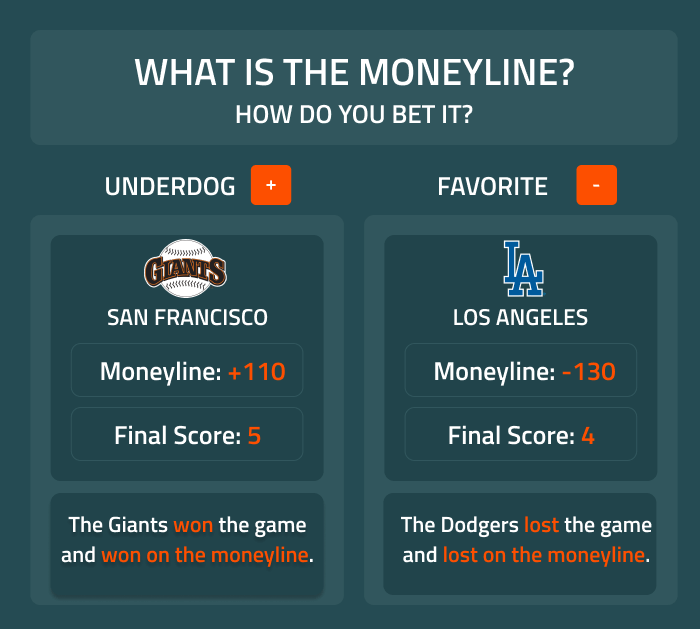
Moneyline betting is the simplest and most popular way to bet on sports. You’re betting on who wins the game — period. There’s no point spread to cover and no total score to worry about. If your pick wins, your bet cashes. If not, it loses.
In some sports, especially soccer and hockey, sportsbooks also offer a three-way moneyline, where a draw is listed as its own betting option.
Because of its simplicity, moneyline betting is often the first market beginners learn — and one that experienced bettors continue to use strategically.
Moneyline vs Totals (Over/Under)
- Totals bets focus on the combined score of both teams
- Moneyline bets focus on one thing only: the winner
If game flow or pace is unpredictable, moneyline betting removes that uncertainty.
Understanding Moneyline Odds
Sportsbooks display odds in three main formats:
| Format | Example | Common Use |
|---|---|---|
| American | −120 / +150 | United States |
| Decimal | 1.83 / 2.50 | International |
| Fractional | 5/6 / 3/2 | UK & Ireland |
All formats represent the same probability and payout — just shown differently.
Converting Odds to Implied Probability
Implied probability shows how likely a sportsbook believes an outcome is (before the vig).
Formulas
- Favorites (− odds):
|odds| ÷ (|odds| + 100) - Underdogs (+ odds):
100 ÷ (odds + 100)
Examples
| American | Decimal | Implied Probability |
|---|---|---|
| −130 | 1.77 | 56.5% |
| −110 | 1.91 | 52.4% |
| +145 | 2.45 | 40.8% |
| +250 | 3.50 | 28.6% |
Understanding this helps you identify value, not just winners.
Moneyline Payout Examples (Stake: $100)
| Odds | Profit | Total Return |
|---|---|---|
| −120 | $83.33 | $183.33 |
| −110 | $90.91 | $190.91 |
| +120 | $120 | $220 |
| +250 | $250 | $350 |
| +500 | $500 | $600 |
Favorites offer steadier returns; underdogs carry higher risk but bigger upside.
Favorites, Underdogs & Pick’em Bets
- Favorites: Shown with a minus sign (−135)
- Underdogs: Shown with a plus sign (+170)
- Pick’em: Even matchups, often +100 or −105
Pick’em games are common when teams are evenly matched.
Two-Way vs Three-Way Moneylines
Two-Way Moneyline
- Win or lose only (NFL, NBA, MLB)
Three-Way Moneyline
- Win, lose, or draw (soccer, some hockey markets)
Draw No Bet (DNB)
- Your stake is refunded if the game ends in a draw
- Lower payout, reduced risk
When to Use Moneyline vs Spread
Use Moneyline When:
- You’re confident in the winner, not the margin
- The spread feels inflated
- You want lower variance
Use Spread When:
- You believe the favorite will win comfortably
- You see value in a competitive underdog
Line Shopping & Sportsbook Hold
Different sportsbooks price the same game differently due to varying vig (hold).
Example:
- Book A: −120 (≈4.8% hold)
- Book B: −110 (≈2.4% hold)
Over time, betting at lower-hold books makes a huge difference. Always shop lines — including offshore sportsbooks where legal.
Sport-Specific Moneyline Tips
- NFL / NBA: Injury and lineup news can swing moneylines quickly
- MLB: Starting pitchers matter more than teams
- NHL: Confirm whether odds include OT/shootouts
- Soccer: Draws are frequent — consider DNB or double chance
- Tennis & MMA: Monitor fitness, weigh-ins, and withdrawals
Step-by-Step: How to Place a Moneyline Bet
- Decide your stake (0.5%–2% of bankroll)
- Choose two-way, three-way, or DNB
- Review odds and implied probability
- Shop for the best price
- Add to bet slip and confirm
- Track results and manage risk
Common Moneyline Betting Mistakes
- Overbetting heavy favorites
- Ignoring small odds differences
- Chasing line movement without context
- Ignoring travel, fatigue, or scheduling spots
- Betting into high-vig markets
Moneyline Betting FAQs
Can you parlay moneylines?
Yes. Moneylines can be parlayed across sports and leagues.
Can you mix moneylines and spreads in parlays?
Usually yes, unless the bets are correlated.
Why do odds differ between sportsbooks?
Different risk models, betting action, and vig.
Is moneyline or spread better?
Depends on your edge and confidence in the margin.
Do odds move after I bet?
Yes, but your odds are locked once placed.
Final Thoughts
Moneyline betting remains the cleanest and most versatile entry point into sports wagering. By understanding odds formats, implied probability, payouts, and line shopping, bettors can make smarter decisions — whether betting locally or through offshore sportsbooks.
Bet with discipline, chase value (not just winners), and always keep responsible gambling at the core of your strategy.